
2 hr
Paleokastritsa Speedboat: Blue Caves, Paradise & Yali Beach
Explore hidden sea caves and swim at two boat-only beaches on a thrilling 2-hour speedboat adventure
Reserve
Hand-picked by our editors — only the best 5 cave tours from 23 reviewed.
Verified partners for every tour, free cancellation where available, and instant confirmation on every booking.
2 hr
Explore hidden sea caves and swim at two boat-only beaches on a thrilling 2-hour speedboat adventure
Reserve
2 hr 30 min
Explore Corfu's dramatic west coast by speedboat, discovering hidden caves and turquoise coves
Reserve
5 hr 40 min
Explore hidden sea caves by boat, then unwind at Stelari Beach with flexible return times
ReservePrices from verified partners. Availability updates in real time at checkout. Free cancellation policies apply where shown.
The landmarks, rooms, and views travelers on this tour remember — all visible on a single visit.
Famous for its intense, electric blue water caused by sunlight refracting off the cave floor. The cave is a primary stop for most paleokastritsa boat tours to caves.
An imposing natural rock structure named after a nearby hilltop chapel, featuring stunning granite formations. It is a signature landmark on the paleokastritsa boat tours to caves circuit.
Named after the mythological figure from the Odyssey, this cave offers dramatic views and clear water. It is a recurring highlight on the popular paleokastritsa boat tours to caves excursion.
Perched on a high promontory overlooking the harbor, this 13th-century site provides a historical backdrop to the coastal scenery. It is visible from the sea during various paleokastritsa boat tours to caves.
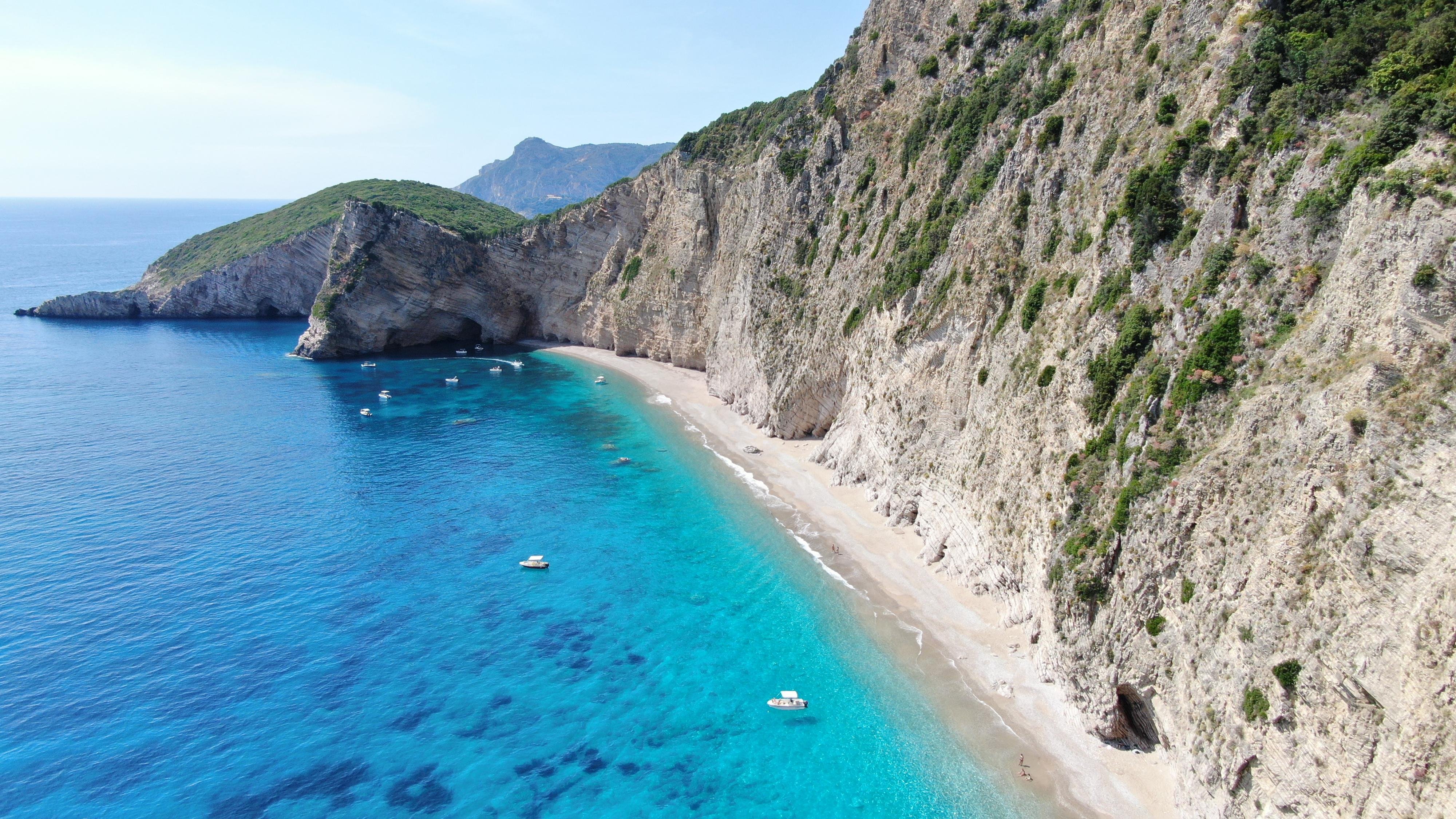
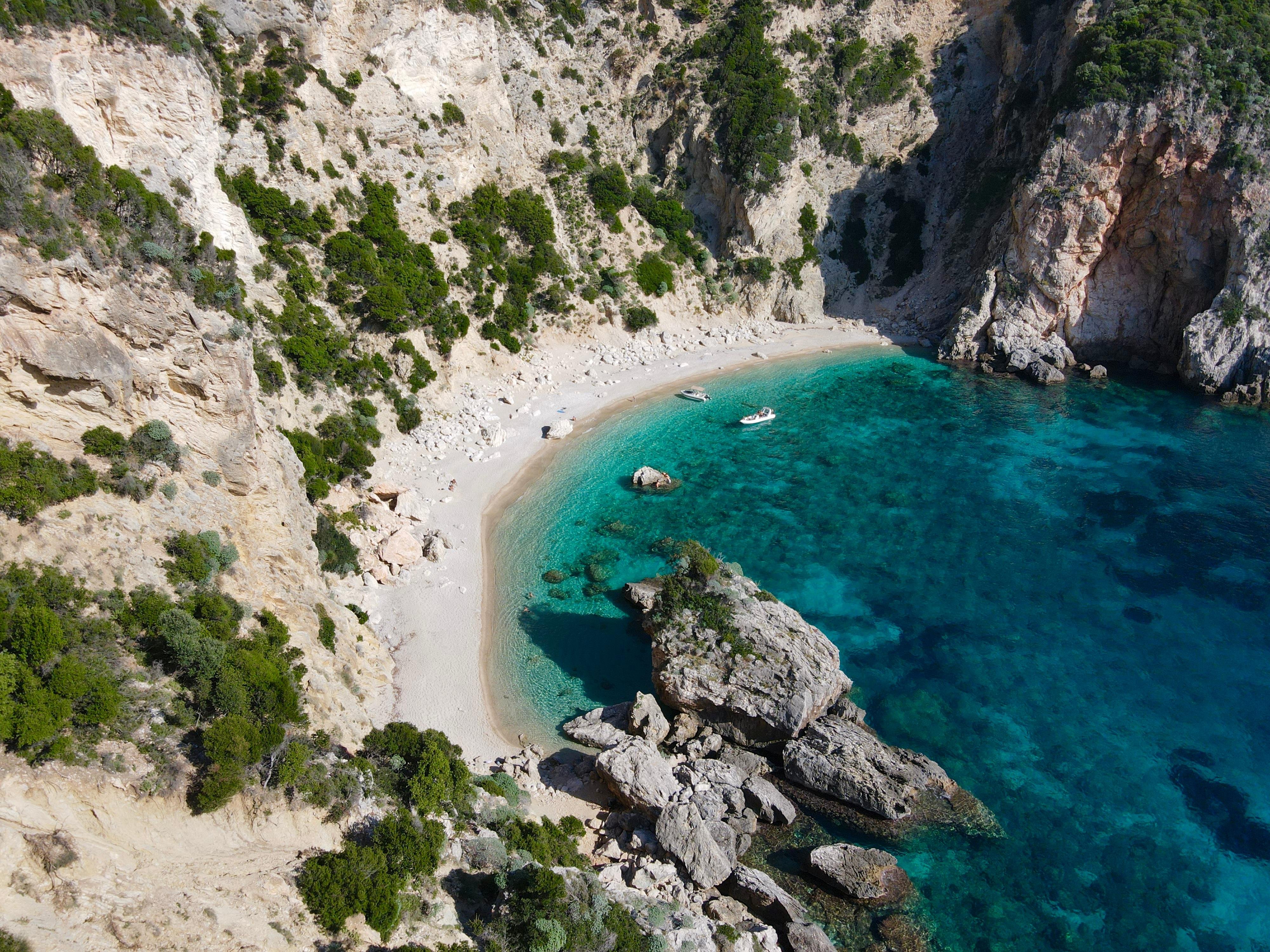
A secluded beach accessible primarily by boat, often included as a swim stop during longer paleokastritsa boat tours to caves trips.
They complement each other; most visitors who do both call the guided boat tours the more informative choice for historical context, while self-drive rentals provide superior autonomy. This comparison helps you decide between paleokastritsa boat tours to caves and steering your own vessel through the Ionian waters.
| Feature | Top pick Guided Cave Tours | Independent Small Boat Hire |
|---|---|---|
Navigational experience |
Professional skipper provided | User-operated by renter |
Guided commentary |
Live historical insights provided | No formal commentary |
Freedom to stop |
Fixed route stops only | Full control over duration |
Safety/Support |
On-board staff assistance | Remote support via radio |
Fuel costs |
Included in ticket price | Often charged separately |
Operational requirement |
No license needed | Basic briefing required |
| See tickets → |
Verdict: Choose the guided paleokastritsa boat tours to caves tour if you prefer a stress-free experience, or opt for independent hire if you seek personal command of your paleokastritsa boat tours to caves tickets.
Choose your ticket, select your date, and reserve in under two minutes. Secure checkout handled by our verified partner.
Instant confirmation by email, with a mobile voucher you can save offline. No printing, no queuing at a collection desk.
Arrive at the entrance, show your voucher on your phone, and walk in. Most tickets include priority or skip-the-line access.
Practical details for your visit straight from our verified partners — hours, access, rules, and how to get there.
Casual beachwear is standard; however, wearing a swimsuit with a cover-up is recommended. Bring a light windbreaker for potentially breezy conditions on the water.
Keep belongings to a minimum to ensure comfort on small vessels. Secure all electronics in waterproof bags or cases to protect against sea spray.
Photography is highly encouraged; use a waterproof casing or floatable strap for devices. The light inside the sea caves is best captured during morning hours.
Access involves boarding small boats from a jetty or sandy beach, which may be challenging for those with limited mobility. Check with individual operators regarding specific assistance needs.
The tours are generally family-friendly, though parents should supervise children closely during boarding. Life jackets for infants are often available upon request from reputable operators.
Complimentary water or local wine is provided on some excursions, but bringing personal hydration is advised. Avoid heavy meals before boarding if prone to motion sickness.
Best time to go, insider tips, nearby landmarks, and the cancellation fine print — flip through to skim what matters to you.
Flexible, no hidden fees.
Most operators offer full refunds for weather-related cancellations if the port authority bans sailing. Standard bookings usually allow free cancellation up to 24-48 hours before departure depending on the specific provider.
The limestone headlands of Paleokastritsa have been sculpted by Ionian currents for millennia, leaving a jagged coastline of sea caves, natural arches, and blue-water grottos accessible only by boat. Byzantine monks chose this bay for its isolation in the thirteenth century, but the cave network beneath the cliffs remained unmapped until fishermen began guiding tourists through the channels in the 1960s. Today the tradition continues from Agios Spiridonas Beach, where a fleet of wooden kaïkis and fibreglass speedboats depart hourly between dawn and dusk. Paleokastritsa boat tours to caves anchor the bay's maritime economy. Operators run tight circuits to a dozen named sites: the Blue Eye cave, whose entrance glows cobalt at midday when sunlight refracts through twenty metres of seawater; the Nausica grotto, named for the Phaeacian princess who legend says met Odysseus on this shore; and the twin arches at Ortholithi, where wave erosion has carved a natural bridge through the headland. Most circuits also call at Paradise Beach and Yali Beach, crescent coves with no road access, where passengers wade ashore for thirty-minute swimming stops. The limestone here is soft enough that each winter storm reshapes the cave mouths, and captains adjust their routes accordingly. The water itself is the attraction. Ionian transparency peaks in early summer, when visibility reaches forty metres and the seabed appears close enough to touch. The caves amplify this effect: inside the larger grottos, reflected light turns the water a luminous turquoise, and the rock walls glow orange where iron oxide streaks the stone. Geologists trace the cave formation to the Pliocene epoch, when tectonic uplift raised the seabed and subsequent erosion hollowed out the softer strata. The result is a coastline that changes character every hundred metres, from sheer cliffs to pebble beaches to submerged rock gardens where damselfish gather in the shallows. Boat tour operators work from a shared jetty at the southern end of Agios Spiridonas Beach, where the monastery of Panagia Paleokastritsa overlooks the bay. Departures run continuously from nine in the morning until seven in the evening during the summer season, with each circuit lasting between sixty and ninety minutes depending on sea conditions and the number of stops. Most captains speak enough English to narrate the route, and a few offer sunset circuits that time the return leg to catch the light over Angelokastro fortress on the ridge above.
"The limestone here is soft enough that each winter storm reshapes the cave mouths, and captains adjust their routes accordingly."
A step-by-step walkthrough of the visit — what you'll see, how long each stage takes, and the details that matter.
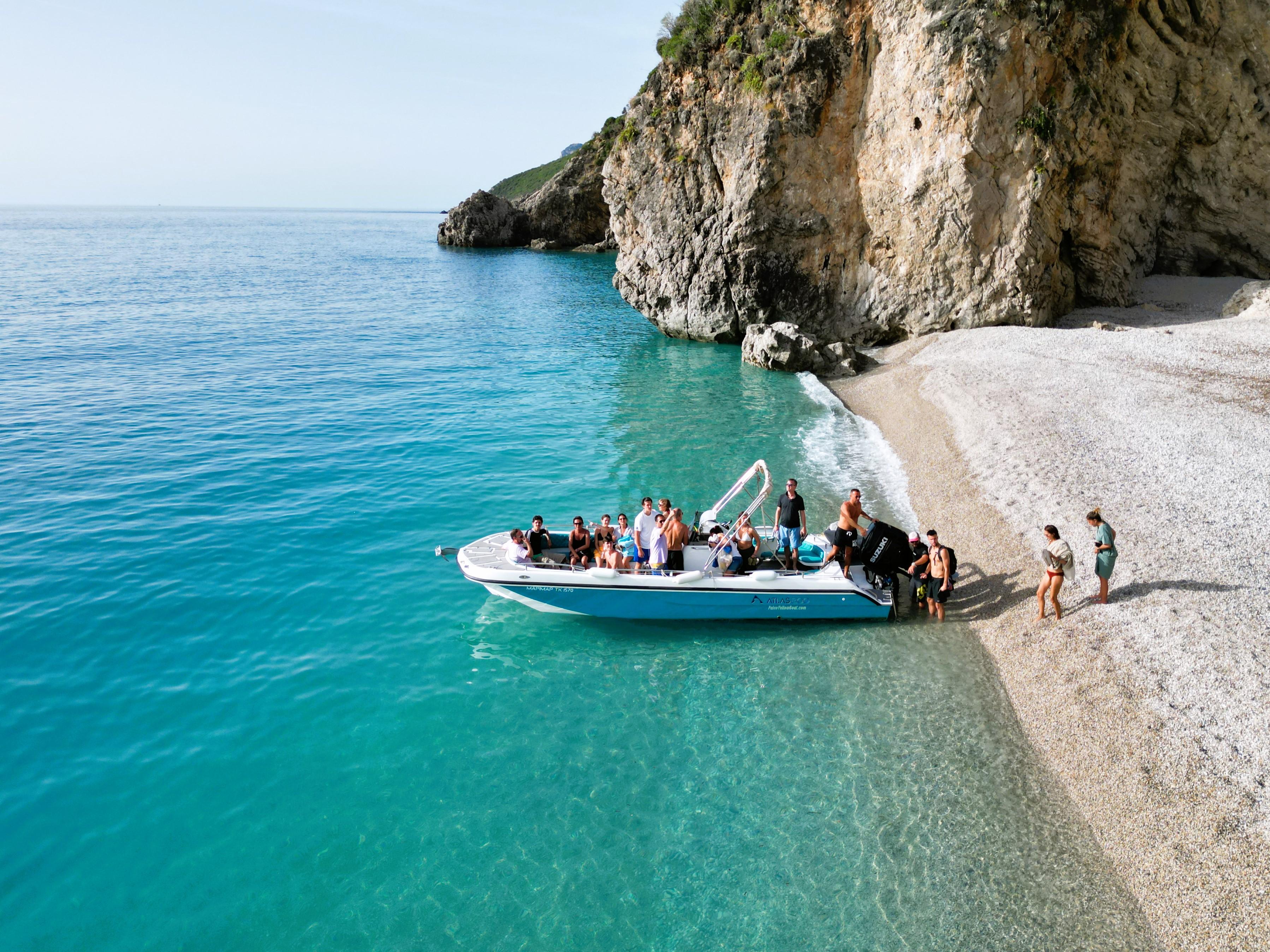
You board from the stone jetty at Agios Spiridonas Beach, where a dozen boats idle in the shallows and captains call out destinations. Most tours seat eight to twelve passengers on padded benches, and the engine noise makes conversation difficult once you clear the bay. The first cave appears three minutes out: a low arch in the cliff face, wide enough for the boat to enter at idle speed. Inside, the engine cuts and you drift in near-silence while the water below shifts from navy to electric blue as your eyes adjust to the dim light. The circuit continues north along the headland, stopping at two or three more grottos depending on swell conditions. At Paradise Beach the boat noses onto the shingle and you step into knee-deep water for a twenty-minute swim. The seabed here is a mix of sand and limestone slabs, and the water is cold enough even in August that most passengers stay close to shore. Back on board, the return leg cuts across open water with views of the monastery perched on the headland behind you. Sunset departures retrace the same route but linger longer in the caves, where the fading light turns the rock walls amber and the water dark green. By the time you return to the jetty, the tavernas along the beach have lit their lamps and the bay is nearly empty.
The boat operators typically operate from 09:00–19:00 daily.
Tickets can be purchased directly from the boat operators stationed at Agios Spiridonas Beach.
Entry to the beach/jetty is 0 EUR; tour fees apply per individual operator.
The best arrival window is 09:00–11:00 to avoid mid-day crowds and enjoy calm seas.
Generally no age restrictions exist, but all children must wear life jackets as required by safety protocols.
Yes, you are encouraged to bring snorkel gear, provided it is kept in a compact bag.
Operators will issue a full refund or offer an alternative date if the port authority cancels tours due to weather.
Access requires boarding from a jetty or beach, which may present challenges for those with limited mobility.
Yes, photos are highly encouraged, especially inside the caves where the water reflects electric blue light.
Yes, many local operators now allow you to pre-book your tour online to secure your preferred time.